Photodiode-based Colorimetric Sensor for Biomarker Detection
FDA 510(k) cleared (K260613), EMC Class B-certified, sub-$500 colorimetric biomarker detection system using photodiodes in reflectance mode. 5 µM resolution with real blood/plasma samples, deployed at Valleywise and OHSU.
Overview
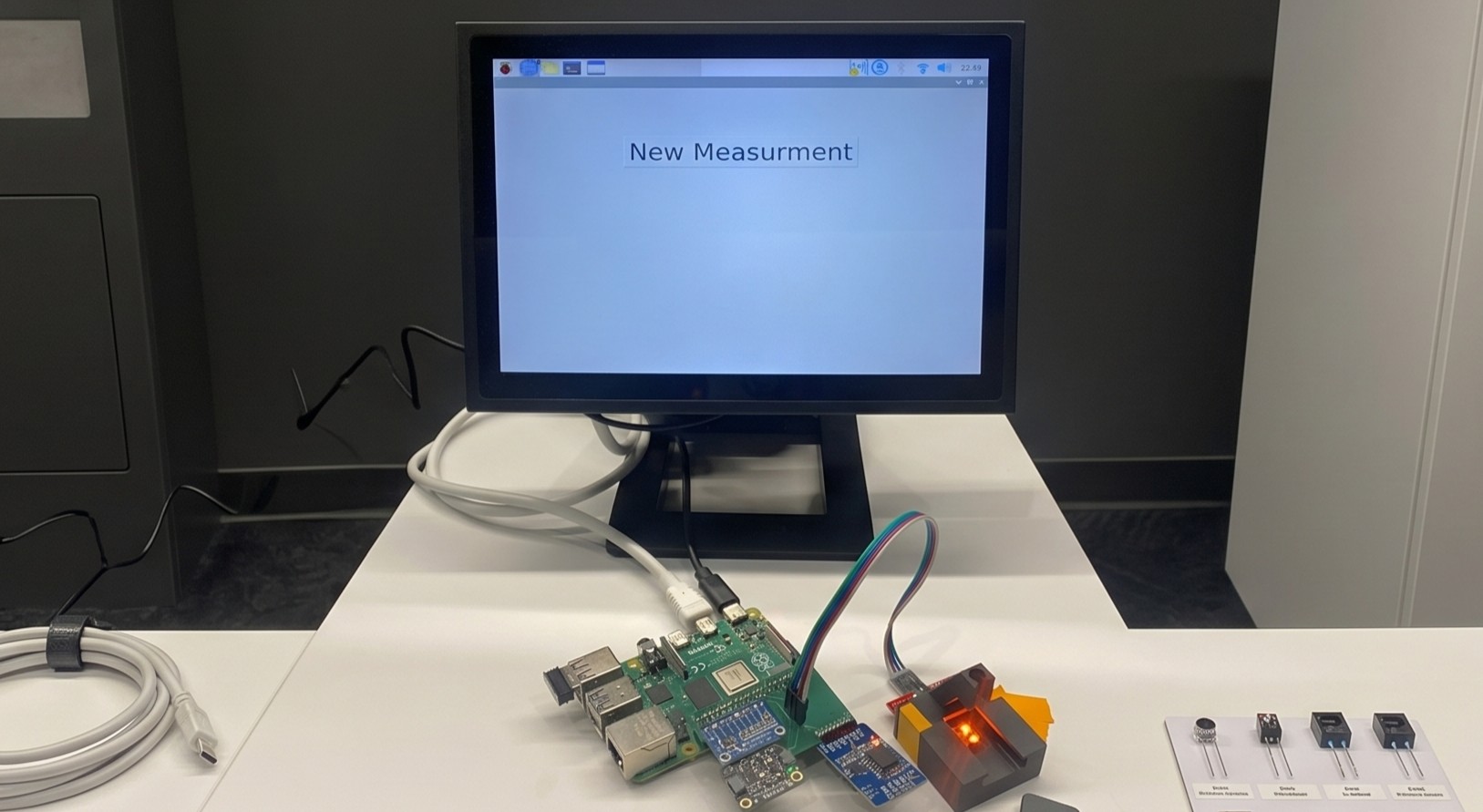
Designed and built a compact, low-cost colorimetric biomarker detection device using photodiodes and LEDs in reflectance mode. The system measures biomarker concentrations from chemical substrates using a modified Beer–Lambert law approach, complete with signal processing software, environmental compensation, and a user-facing UI on a microprocessor.
Problem
Clinical-grade chemistry systems like the Vitros 5600 can measure 100+ biomarkers but cost over $300,000, consume 1,500W, and occupy an entire room. This makes them completely inaccessible to low-income populations and resource-limited clinics, both in the US and globally.
Approach
Iterated through seven PCB designs, from a single low-power LED to a quadruple-LED configuration, systematically solving for light coverage, signal strength, and manufacturing feasibility. The full system covers hardware, firmware, and the algorithms that turn a raw photodiode trace into a clinically meaningful number:
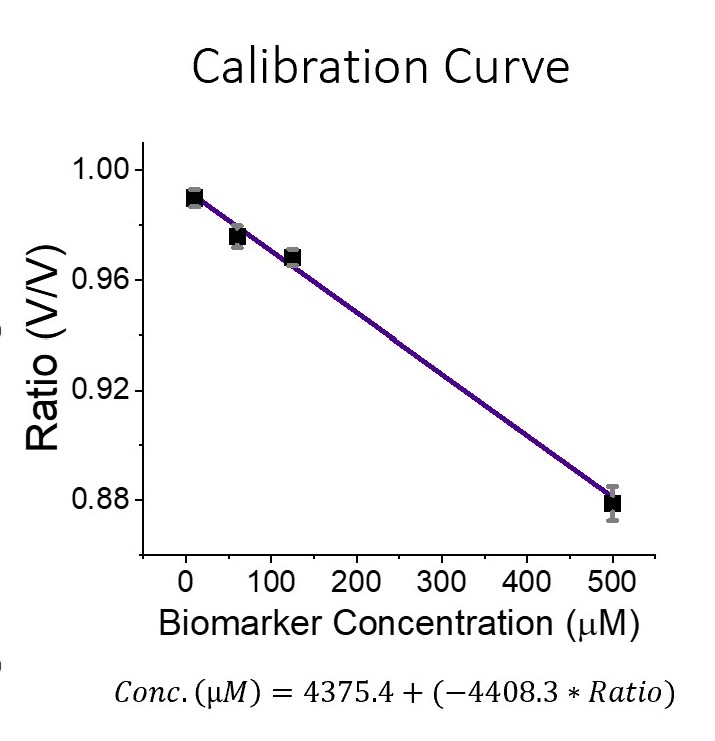
- Real-time analyte insertion detection, endpoint extraction, and polynomial calibration-curve fitting.
- Artifact-detection algorithms that identify substrate displacement and user misuse during the 2-minute reaction window.
- Integrated temperature, pressure, and humidity sensors to compensate for environmental variability.
- Embedded UI on a low-power microprocessor, fully self-contained, no host computer required.
Results
- 5 µM biomarker resolution validated with real blood and plasma samples.
- Under $500 total device cost, a 600× reduction from the Vitros 5600 reference.
- Under 5 W power consumption (300× reduction).
- 15″ × 15″ × 15″ footprint (versus 40″ × 68″ × 110″, fits on a clinic counter).
- Noise-threshold algorithm validated against 500+ real datasets, successfully flagging human-handling artifacts.
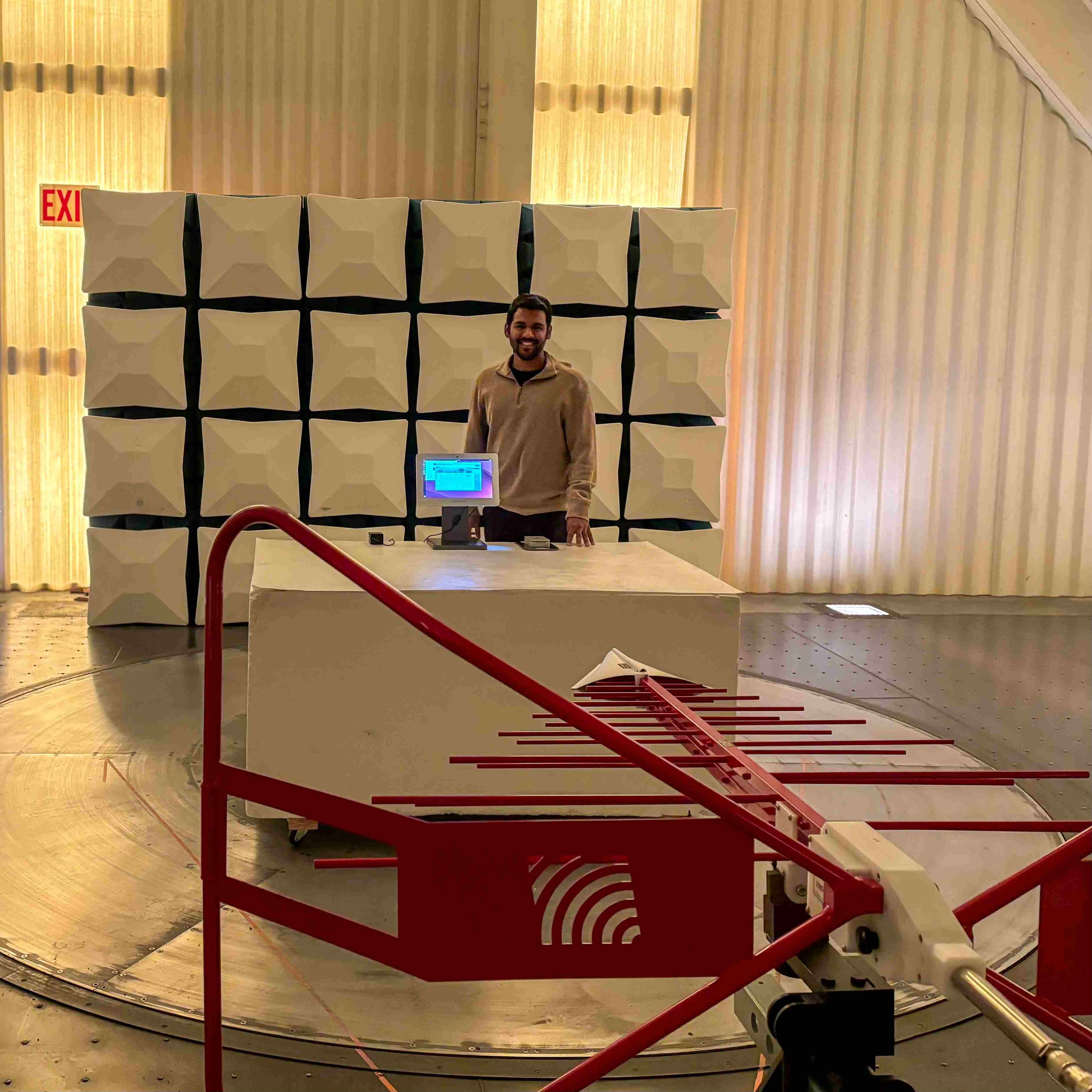
The device cleared EMC Class B certification at a Salt Lake City test facility, confirming regulatory readiness for hospital and residential environments.
In the field
The device has been deployed in clinical settings at Valleywise Health in Phoenix, Arizona and Oregon Health & Science University (OHSU) in Portland, Oregon, moving from bench characterization into real-world validation with the clinicians who will eventually use it.
FDA cleared
The device received FDA 510(k) clearance in 2026, decision number K260613. It’s now legally marketable in the United States and cleared for use in clinical and residential environments. This was the culmination of the development arc: five years of design iterations, a full engineering validation, EMC Class B certification, clinical deployments at Valleywise and OHSU, and finally the regulatory dossier.
Demo video
What’s next
With the 510(k) in hand, the device transitions from an engineering project to a commercial product. Sequitur Health takes it forward from here: manufacturing scale-up, clinical adoption, and the next-generation architecture (see the camera-based sensor that follows this one).